Generator Rental in Bangalore: Build a Clear Brief Before Comparing Quotes
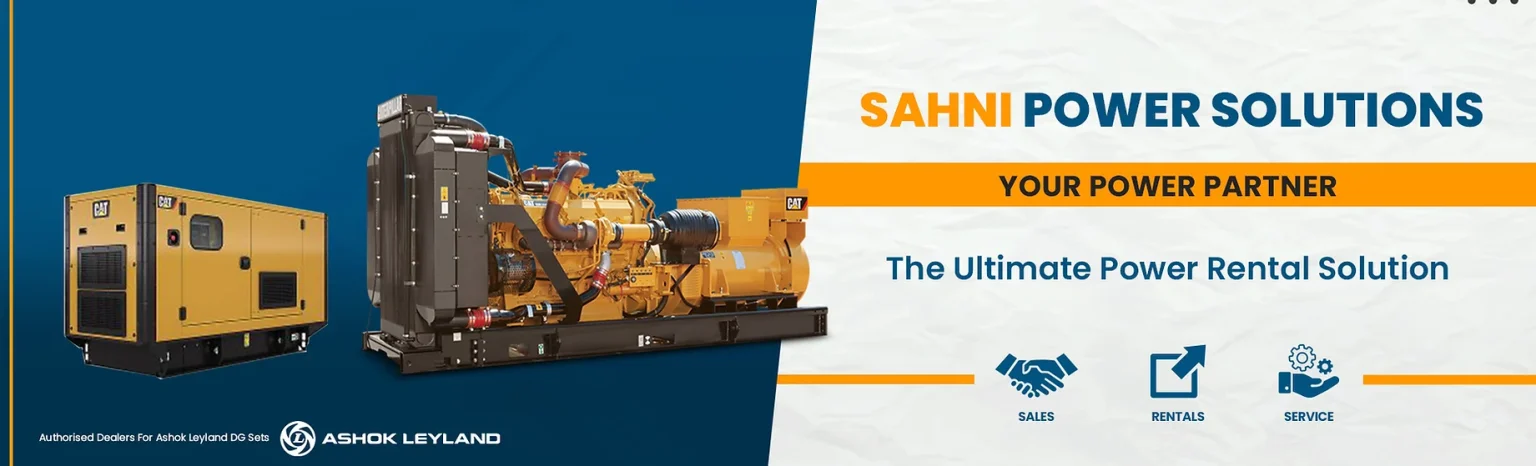
When comparing a generator for rent in bangalore, Sahni Power Solutions gives site teams a place to discuss rental requirements. The most useful first step is a clear brief: what must stay powered, when it will run, where equipment can be delivered, and who will approve the arrangement. A quote becomes easier to assess when suppliers receive the same information. Without that common starting point, two attractive proposals may describe different equipment, responsibilities and periods of use.
The brief does not need to be a technical design document. It should collect the facts that the supplier and the site's responsible electrical professional need to assess the requirement. Keep confirmed information separate from estimates and unanswered questions. That distinction helps prevent a provisional assumption from turning into an order condition without anyone noticing.
Describe the job before choosing a generator rating
Begin with the purpose of the rental. A planned event, a temporary project stage and standby support for an operating facility can create different requirements. State the location, expected start and finish dates, and the periods when the equipment may be needed. If the schedule is provisional, label it accordingly. Suppliers can then explain which parts of their proposal depend on those dates and what must be reconfirmed.
List the equipment or systems that need support, with the available information from the site team. Avoid choosing capacity from a single headline number or copying a rating from an unrelated project. Starting requirements, operating patterns and the actual arrangement require professional assessment. Your job at the enquiry stage is to make the intended use understandable and identify who can answer detailed technical questions.
Sahni's published 125 kva generator range page can help teams identify a category to discuss. It does not establish that the category suits a particular site. Include the intended equipment list and operating conditions in the enquiry, then ask the supplier and responsible site professional to confirm the proposed rating and configuration. A documented recommendation is more useful than selecting a unit solely because its advertised capacity sounds familiar.
Also explain what may change during the rental. A project can add equipment, extend working hours or move into another phase. Rather than guessing the final arrangement, describe the likely stages and ask how changes would be reviewed. Keep the decision about additional capacity or a different unit explicit. A flexible plan still needs clear responsibility for approving any revision.
Make delivery and site coordination visible
Delivery is part of the rental arrangement, not a detail to resolve after choosing a price. Tell the supplier who controls site access, whether delivery times are restricted and who will be present to receive equipment. Ask what information is required to assess the proposed location and access route. Any site-specific installation or connection decisions should remain with the appropriately qualified people responsible for the job.
For project teams, the earlier guide to generator rental planning for construction sites offers a useful starting point for organising questions. Use it as background rather than a substitute for a current site assessment. Your delivery conditions, work sequence and agreed responsibilities need to be described in the actual rental proposal, even when a previous project appears similar.
Prepare a simple contact list covering the person requesting the quote, the site coordinator and the person authorised to accept changes. This prevents several people from giving different instructions during delivery or collection. Include an agreed method for reporting a schedule change. A short, accurate coordination note can avoid confusion more effectively than a long chain of messages with different versions of the plan.
Clarify which services are included and which require a separate arrangement. Ask about delivery, placement coordination, operator provision if required, collection and the process for obtaining support. Do not assume that a familiar rental term includes every service mentioned in a conversation. The final written scope should make it possible for both sides to explain the same arrangement without relying on memory.
Compare quotes using the same scope and period
A useful comparison starts with the same dates, intended operating pattern and responsibilities. If one supplier has priced a different period or included different services, ask for the difference to be explained before comparing totals. Record assumptions alongside the amount. An apparently lower quote may simply leave more work with the customer, while a fuller quote may include services the site does not require.
Questions about a 200 kva generator price should therefore include the proposed configuration and purpose of the enquiry. A range page is a reference for discussion, not a current binding quotation. Ask for a written offer that identifies the equipment, rental period and included services. Keep rental and purchase proposals clearly labelled so that an equipment price is not mistaken for the cost of a temporary hire arrangement.
Create a comparison sheet with a row for each requirement and a column for each proposal. Use confirmed, excluded and awaiting clarification rather than filling gaps with guesses. Important commercial questions may include the rental period, extension process, fuel responsibilities, operator arrangements where relevant and collection. The supplier should explain the applicable terms directly; the comparison sheet helps you identify which questions still need a clear answer.
The earlier article about reading the contents of a generator quote provides another way to think about scope. Apply that approach to the actual documents in front of you. A general explanation cannot confirm a supplier's current availability, the final amount payable or the conditions of a particular booking. Those details belong in the current written offer.
Give each revision a date and keep a short note of what changed. This is useful when a proposal is updated after a site discussion or a revised project schedule. The aim is not to create paperwork for its own sake. It is to ensure that procurement, the supplier and the receiving team are all working from the same set of requirements when the arrangement is confirmed.
Confirm the handover and the end of the rental
Before accepting a proposal, check that the agreed plan names the right contacts and records the latest dates. Confirm how the handover will be documented, how questions will be raised and what happens if the site programme changes. Keep the approved version accessible to the people coordinating delivery. An accurate record is especially valuable when procurement and site operations are handled by different teams.
Plan the collection stage at the same time. Identify who will notify the supplier when the rental requirement ends and how the collection date will be agreed. Ask how extensions are requested and confirmed. A project that finishes earlier or later than expected still needs a clear communication process. Avoid treating a verbal expectation as a confirmed change to the documented rental period.
Finally, review the brief against the latest proposal. Every essential requirement should either have a confirmed response or remain visibly open. Resolve the open points before the equipment is needed, rather than expecting the delivery team to make commercial or design decisions on arrival. This gives the supplier a clearer job to deliver and gives the site team a more usable basis for coordination throughout the rental.
To discuss your dates, equipment list and site questions, use Sahni Power Solutions' Contact Us page and request a proposal based on the same written brief you will use to compare options.


Comments
Post a Comment