Diesel Generator for Rent in Bangalore for Construction Sites: Sizing, Costs and Site Setup
Most construction projects in Bangalore start long before BESCOM releases a permanent connection. Foundations get poured, rebar gets cut, tower cranes go up and site offices need lights and air conditioning, all on temporary power. For contractors who would rather not tie up capital in equipment they need for twelve or eighteen months, a diesel generator for rent in bangalore from Sahni Power Solutions is often the simplest way to keep the site moving without waiting on the grid. This guide walks through how to size a rental set for a building site, what changes as the project grows, and what to agree on before the generator arrives.
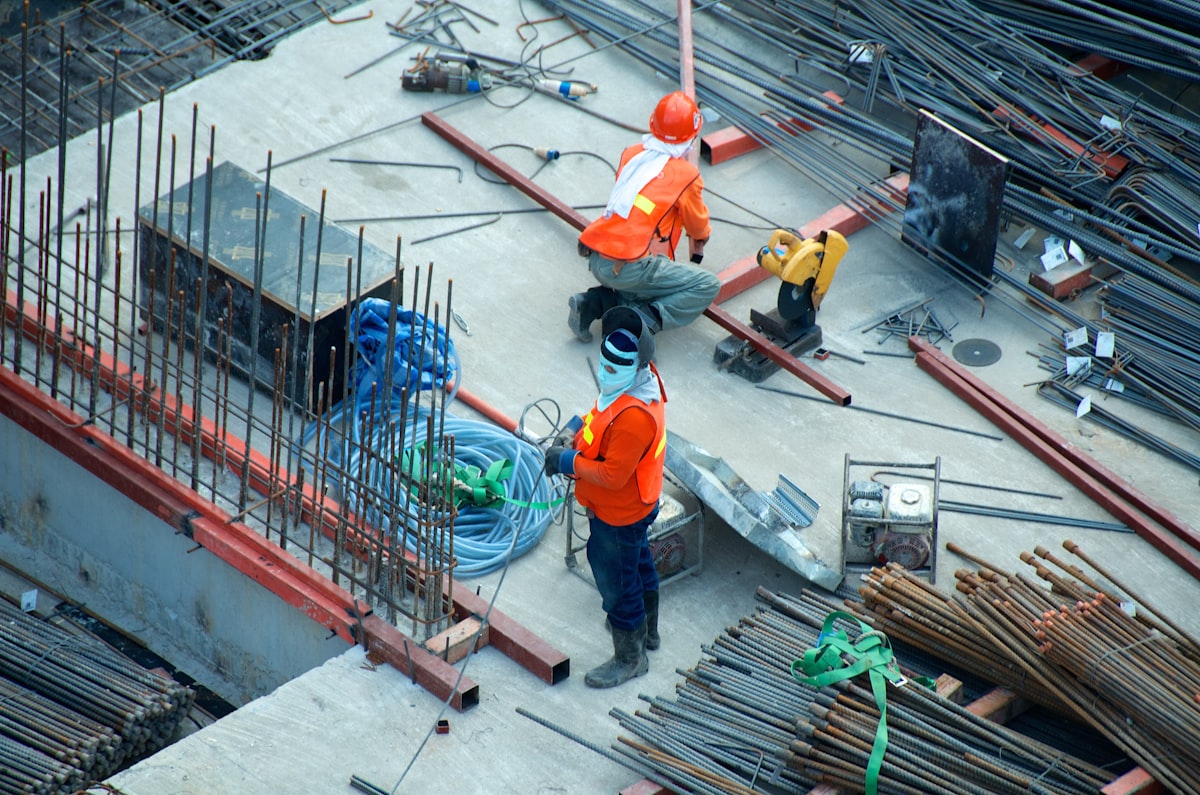
Why construction sites in Bangalore rely on rental generators
A typical mid-rise project in Whitefield, Sarjapur Road or the Hebbal belt goes through three power phases. In the first few weeks the load is small: a site office, a few lights, a dewatering pump and hand tools. Once the structure starts rising, the load jumps with concrete vibrators, bar-bending and cutting machines, welding sets, a material hoist and often a tower crane. In the finishing stage the heavy equipment leaves and the load shifts to lifts under testing, lighting across every floor and small tools used by multiple trades.
Buying a single generator that suits all three phases rarely makes sense. A set large enough for the peak is badly underloaded at the start and the end, which wastes diesel and causes wet stacking in the engine. A rental arrangement lets the contractor change the set as the load changes, and it moves maintenance, servicing and breakdown response to the supplier rather than the site team.
Sizing the set: from site office to tower crane
Start with a simple load list. Write down every piece of equipment that might run at the same time, its rated power, and whether it has a motor that draws a starting surge. Motors on hoists, cranes, compressors and pumps can pull three to six times their running current for a few seconds when they start. That surge, not the running total, usually decides the generator size.
For the early phase, a small set in the 15 to 62.5 kVA range normally covers the site office, lighting and a dewatering pump. Once structural work begins and a hoist, bar-bending machine and welding sets are running together, many sites move up to the 82.5 to 125 kVA bracket. Contractors who want to understand that range in more detail can look at the 125 kVA generator sets used on mid-sized sites, which tend to be the workhorse size for residential towers of eight to fourteen floors.
A tower crane changes the picture. Depending on its make and jib length, a crane can need 60 to 100 kW on its own, with a sharp starting load from the hoist motor. When a crane, a hoist and a batching plant share one set, the requirement often reaches 200 to 320 kVA. A sizing note that walks through this in more depth is this piece on how to size, compare and book a generator for hire in Bangalore, which covers load lists and diversity factors step by step.
As a working rule, aim for the generator to run between 60 and 80 percent of its rated capacity during normal operation. Below about 30 percent for long periods, diesel engines carbon up; above 85 to 90 percent, there is no headroom for motor starts and the set may trip.
What drives the monthly rental cost
Rental pricing for construction work is usually quoted per month, and it depends on more than the kVA rating. The main factors are the size of the set, the minimum hire period, whether an operator is included, the number of running hours expected per day, and who pays for diesel. Transport, installation, cabling and the final removal from site can be quoted separately or bundled into the first month.
Larger sets are where the numbers move fastest, so it helps to understand what sits inside a quote before comparing suppliers. This breakdown of what sits inside a 200 kVA generator quote is a useful reference, because the same line items appear whether you buy or rent: engine make, alternator, acoustic enclosure, controller and warranty terms.
For contractors who are weighing up whether to rent for the full project or buy a set and resell it later, it is worth comparing the current price of a 200 kVA generator against twelve to eighteen months of rent plus operator, servicing and insurance. On shorter projects renting almost always wins. On projects that run past two years with steady heavy load, buying can start to make sense, provided the company has the staff to maintain the set.
Site readiness: placement, cabling and safety
The generator needs a level, firm base, ideally a concrete plinth or compacted platform, away from excavation edges and clear of the crane swing radius. It should sit where the delivery truck can reach it, because diesel will be topped up regularly and the set may need to be swapped for a larger one later in the project.
Plan the main cable route before the set arrives. Armoured cable buried or run along a protected path is far safer than loose cable dragged across the site. Every outgoing circuit should pass through a distribution board with earth leakage protection, and the generator itself needs a proper earth pit. Residential neighbours in Bangalore are increasingly quick to complain, so a silent canopy set placed away from the boundary wall saves a lot of trouble with noise and exhaust.
Agree on who is responsible for daily checks. On most rental contracts the supplier handles scheduled servicing at fixed running-hour intervals, while the site team checks fuel, coolant and oil levels each morning and logs running hours.
Scaling up when the project grows
Projects rarely follow the original schedule. A second tower may start earlier than planned, or a batching plant may arrive on site. A good rental arrangement allows the set to be upgraded or a second unit added without a new contract. Ask about this at the start, along with the notice period needed for a swap and whether the larger unit is billed from the day it arrives.
For large commercial and infrastructure projects where the peak runs into the megawatt range, sets of 1,000 kVA and above may be needed, sometimes in synchronised pairs. The planning considerations at that scale are different, and this note on sizing a 1500 kVA generator in Bangalore sets out the checks around foundations, fuel storage and step loading that apply when a single set has to carry a very heavy site.
A short checklist before you sign
- A written load list with starting surges for cranes, hoists and pumps.
- The kVA rating, engine make and whether the set has an acoustic canopy.
- Minimum hire period, monthly rent and the cost of an operator per shift.
- Who supplies diesel and how consumption will be recorded.
- Response time for breakdowns and whether a standby unit is available.
- Terms for upgrading to a larger set or adding a second unit mid-project.
- Transport, installation, cabling and demobilisation charges.
Getting these points clear at the start avoids most of the disputes that come up later on construction rentals, and it keeps the site running on schedule even when the grid connection is months away.
If you are planning temporary power for a new site and would like a load assessment or a rental quote, you can contact the Sahni Power Solutions team with your project details, expected start date and equipment list.


Comments
Post a Comment